**The Legal Battle for AI’s Future: Musk vs. Altman**
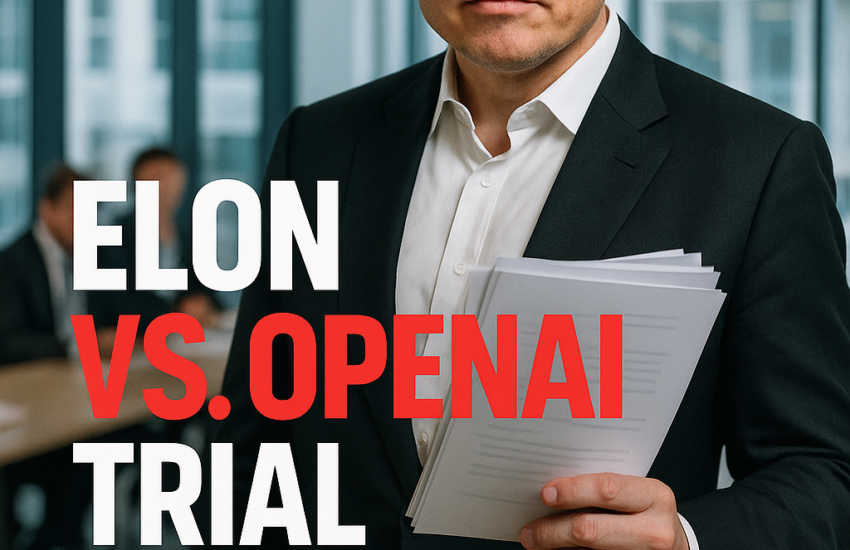
In the rapidly evolving world of artificial intelligence, one must confront complex ethical, financial, and existential dilemmas. At the heart of the current discourse is an unforeseen yet monumental legal dispute between two of the most influential figures in technology today—Elon Musk and Sam Altman. Musk has initiated legal proceedings against OpenAI, the very organization he helped establish. His claim? OpenAI has deviated from its noble mission of altruistic AI development, instead becoming enmeshed in the pursuit of profit. This lawsuit shines a spotlight on the crossroads we currently face: Will artificial intelligence serve humanity’s collective good, or will it become another cog in the machinery of capitalistic gain?
**The Stakes of AI’s Ethical Dilemma**
Elon Musk’s lawsuit against OpenAI and its current CEO, Sam Altman, is certainly not just another corporate squabble. It poses a fundamental question about the ethical framework that should govern AI technology—a technology that is poised to reshape society in unprecedented ways. Musk accuses Altman and Greg Brockman of diverging from their original promise, essentially claiming that they have been seduced by the allure of financial returns and have betrayed the mission of ensuring that AI serves the best interests of humanity.
In an unfolding courtroom drama that has captivated both industry insiders and the general public, the stakes could not be higher. With artificial intelligence advancing at a dizzying pace, defining its boundaries and purpose has become imperative. The question Musk raises isn’t just about OpenAI’s path but also reflects a pivotal decision point facing all of us: Will AI emerge as a force for societal good, or will its incredible potential be harnessed primarily for private gain?
**A Battle of Titans**
Elon Musk is no stranger to controversy. From engineering electric cars to launching rockets into space, his enterprises often straddle the line between visionary and contentious. However, his concerns about AI are not new. Musk has been vocal, and frequently ominous, about the potential risks AI poses. Therefore, it is perhaps unsurprising that he would take drastic steps when he sees a deviation from what he believes to be an ethical course.
“I’m worried about AI because it’s a fundamental risk to the existence of human civilization,” Musk has stated in the past. This trial pits him against Sam Altman, who has remained a steadfast advocate for OpenAI’s current direction. Altman argues that profitability is not at odds with ethical responsibility; rather, it can be a vehicle for achieving large-scale positive outcomes. OpenAI counters Musk’s legal thrusts by suggesting this lawsuit may be an attempt to promote other Musk-backed ventures, such as Grok—a direct competitor to OpenAI’s ChatGPT.
**Whose Vision Will Prevail?**
What makes this confrontation particularly significant is the broader question it raises about governance and accountability in AI development. Musk, in his testimony, didn’t just outline grievances—he seemed to reinforce the critical discussion about who gets to decide the terms of AI’s integration into society. Despite his somewhat evasive courtroom demeanor which left observers questioning his intentions, the core issue remains potent and unresolved.
OpenAI argues that it’s doing more than ever to balance ethical imperatives with practical necessities. As Altman sees it, profit can fuel innovation, thereby accelerating the mission to create AI that ultimately benefits the world. This line of reasoning suggests that integrating profitability isn’t necessarily a betrayal but a pragmatic step towards meaningful impact.
**What Are the Lessons to Be Learned?**
Both Musk and Altman’s perspectives highlight the complexities inherent in developing revolutionary technology. For aspiring tech leaders, policymakers, and citizens alike, there is much to glean from this unfolding saga:
– **Ethics vs. Profitability:** The lawsuit underscores the need for clear ethical guidelines that can coexist with, rather than be overridden by, profit motives. Understanding that both aspects can lead innovation is paramount.
– **Transparency and Accountability:** Whether or not you agree with Musk, the importance of transparency cannot be overstated. In an industry where the implications are so profound, organizations need to be open about their goals and aligned with public interest.
– **Balanced Governance:** Effective governance structures are essential, ensuring that no single entity or individual can unilaterally shape the future of AI. Multi-stakeholder involvement—from governments to civil society—could serve as a check against possible deviations from established ethical paths.
**Where Do We Go From Here?**
As we watch this legal drama unfold, the larger question is how we—as a society—will manage the extraordinary power that artificial intelligence offers. Will we align ourselves with a cultural icon seeking to assert higher ethical concerns, or do we trust in the wisdom of current leadership striving to align business acumen with social duty?
So, what happens next? How do we ensure that the technology, which could potentially outperform human intelligence, serves humanity beneficially and equitably? The coming days will not only shed light on this high-profile lawsuit but will serve as a focal point for these broader discussions.
The case between Elon Musk and Sam Altman serves as much more than a battle between two influential figures. It symbolically represents the larger ethical and existential questions that confront us all, prompting us to ponder: Can and should profitability and altruistic innovation coexist? Whether or not this lawsuit resolves these questions, it certainly intensifies their urgency.