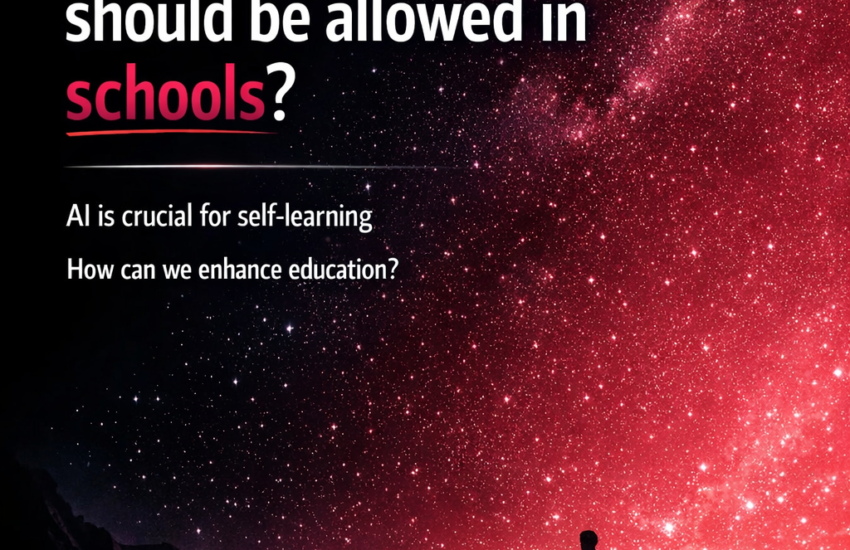
Is Restricting AI in Schools Holding Back Students from Modern Learning Advancements?
In today’s rapidly evolving educational landscape, one might wonder if the limitations placed on Artificial Intelligence (AI) in schools are hampering students from accessing modern learning advancements. As AI technology continues to revolutionize various sectors, its implications for education are both promising and formidable. Despite its potential, AI often faces restrictions in educational settings. But are these restrictions beneficial, or are they preventing students from unlocking a new world of educational opportunities?
The Current State of AI in Education
AI is currently restricted in many schools, with reports indicating that around 90% of students are unable to fully utilize it as a learning tool. These restrictions raise significant concerns among educators and parents alike, who fear that students might be missing out on valuable resources that could enhance their learning experiences. The prevailing educational technology policies could be holding back students from exploring the full potential of AI.
How AI Aids Self-Learning
AI has shown immense promise in aiding self-learning by providing personalized tutoring and adapting to each student’s individual learning pace. With AI, students can explore topics in depth and revisit complex concepts until they fully understand them. This personalized approach supports the notion of lifelong learning and can significantly improve the educational outcomes for students at all levels.
Making Complex Topics More Accessible
One of the most profound benefits of AI in the educational sector is its ability to simplify complex topics. AI tools can break down intricate subjects into manageable chunks, making learning less daunting for students. This ability is crucial not only for understanding core subjects but also for enhancing exam preparation, as AI can identify areas where a student may need additional focus and provide targeted resources to address those gaps.
The Role of AI in Exam Preparation
AI’s impact on exam preparation cannot be overstated. By analyzing broad data sets and student performance, AI systems can tailor study plans specific to each learner’s needs. This leads to better retention of information and improved test scores. Moreover, AI platforms often include features that help reduce exam anxiety by creating practice tests and simulations in a realistic test environment.
Encouraging a Balanced Integration
To fully realize the benefits of AI in education, it is essential to strike a balance between restrictions and integration. Advocates for AI in schools argue that a thoughtful integration of technology can enhance learning outcomes and provide students with a more dynamic educational experience. Opening a dialogue about AI’s future role in education can encourage more inclusive policies that embrace technological advancements while addressing legitimate concerns about its use.
Conclusion
Despite the existing restrictions on AI in schools, its potential to revolutionize education is undeniable. By fostering curiosity and engaging in constructive discussions about its role, educators, parents, and policymakers can work together to ensure that students have access to these invaluable learning tools. The integration of AI in education represents an exciting opportunity to make learning more accessible, personalized, and effective for students everywhere.
As we navigate the future of educational technology, it’s time to ask ourselves: are we ready to embrace AI’s transformative potential, or will we continue to hold back the advancements that can pave the way for a smarter future?
Learn how AI can automate your business and educational processes, improving efficiency and outcomes across the board.
#AIEducation #TechInSchools #LearningWithAI #EdTech #InnovativeLearning #FutureOfEducation