**Claude Mythos: The Future of Cybersecurity or a Symptom of Vulnerabilities?**
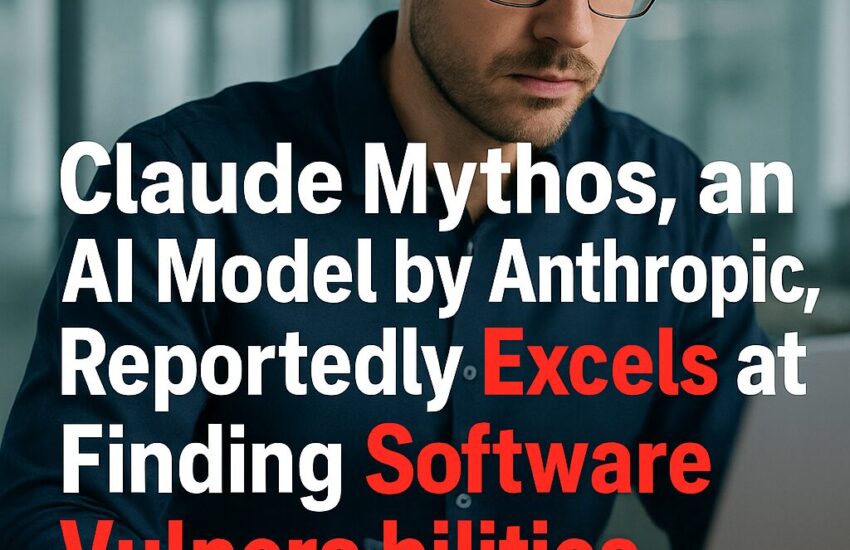
In a digital epoch where security breaches and software vulnerabilities are notable threats, Anthropic’s newly developed AI model, Claude Mythos, emerges as a formidable player in the field of cybersecurity. Touted for its unparalleled skill in identifying software vulnerabilities, Mythos does not just set a new standard—it resets the paradigm. This capability, however, poses a double-edged sword, evoking both awe and anxiety within the cybersecurity community. While the implications are profound, the responsibility embedded with such power is monumental.
**Unlocking a New Level of Cyber Defense**
The potential of Claude Mythos lies within its nuanced ability to uncover hidden software flaws—an enviable feat that traditional models often miss. Mythos does not merely scan for the typical, high-level threats; it digs deep, untangling flaws long buried in systems like Windows and Linux. In essence, it has cracked a code previously decipherable only by the human mind with its deep understanding of intricate systems. A revelation within cybersecurity, Claude Mythos paves the way for a reevaluation of current defense strategies, shifting the balance of power from attackers to defenders.
As one expert remarked, “For the first time, machines are peeling back layers of complexity within software systems with an almost human intuition.” This singular capability does not merely enhance existing defensive measures; it demands an entirely different approach to dealing with vulnerabilities.
**The Double-Edged Sword of Advanced AI**
Despite the palpable excitement surrounding Claude Mythos, it arrives with an inherent cautionary tale. Its unparalleled ability to expose software vulnerabilities inevitably renders it a tool of great interest—not just to cyber defenders but to potential malicious actors. Where there is technology that probes deeply, there exists a risk of that technology being turned against itself. Is it possible to ensure such power remains in the right hands when technological innovation continues to outpace regulatory frameworks?
Anthropic has embraced a prudent strategy with its Project Glasswing, a move designed to mitigate such risks. This initiative ensures that those involved in defense have exclusive access to this groundbreaking technology, allowing defenders a much-needed head start against the looming threat of cyber antagonists. However, as with all developments of significant consequence, the potential for misuse looms. Is it possible to safely wield technology that borders on the omnipotent without unlocking Pandora’s box?
**A Learning Moment: Redefining Strategies for Cybersecurity**
For the cybersecurity industry, Claude Mythos marks a definitive pivot point. The capabilities it embodies and its potential application necessitate a reassessment of how the field approaches software vulnerabilities. Key takeaways from Mythos’s arrival include:
– **Proactive Defense Strategies**: The traditional reactive model of cybersecurity must give way to a more proactive approach. Understanding and rectifying vulnerabilities before they become pathways for attacks enhances robust defense strategies.
– **Innovation Hubs and Collaborative Efforts**: Claude Mythos illustrates the importance of innovation hubs and the collaboration between technological entities and cyber defenses to ensure mutual benefit and rapid advancements in security measures.
– **Responsible AI Deployment**: With the power held by AI models like Mythos comes the imperative for responsible use, as emphasized by Project Glasswing. Frameworks and protocols governing the deployment of advanced AI should aim to maximize benefits while minimizing potential harm.
In the words of industry insiders, “With great technology comes great responsibility.” The release of Claude Mythos is a call to action for those in the field to work collaboratively, forging new paths of cybersecurity righteousness.
**The Emotional Closer: Who Holds the Reins of Cybersecurity?**
As we ponder the future made vivid by innovations like Claude Mythos, an inevitable question arises: who should wield the reins of such powerful technology? How can industry leaders, regulators, and individual organizations come together to ensure that the development and deployment of advanced AI models are ethical and secure?
Our technological landscape is evolving, and with it, the invisible line between safeguarding and exposing becomes increasingly thin. As defenders brace themselves for future challenges, the roadmap forged by Claude Mythos serves as both a guiding light and a cautionary tale. The question remains: will we, as a global community, rise to the occasion, or will we falter under the very weight of the innovations we’ve created?
The implications of Claude Mythos transcend the present, providing an opportunity for all stakeholders in the realm of cybersecurity to mitigate risks carefully, learn earnestly, and protect vigilantly. In the end, the responsibility lies with each of us to actively engage in shaping a future where the balance of power lies firmly in the hands of those seeking to protect rather than harm.