
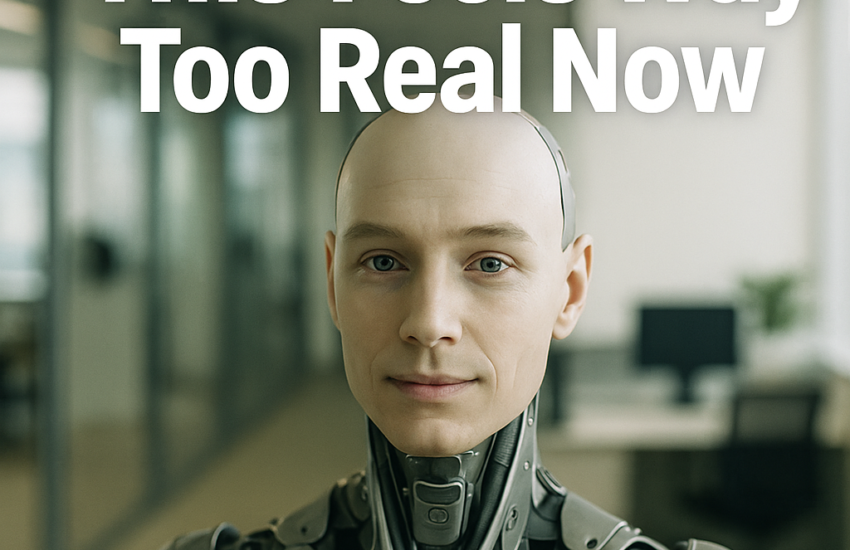
**Humanoid Robots: The Future of Emotional and Social Integration**
The world of robotics is on the cusp of a revolution, and at the heart of it lies the fascinating journey of humanoid robots. These robots, with their human-like appearance and behavior, are not just about technological marvels anymore; they symbolize a radical shift towards integrating social and emotional intelligence into machines. This new generation of robots stands poised to transform industries through enhanced human interaction and operational efficiencies. The essence of this transformation lies in the ability of these robots to act as more than just mechanical tools—they are becoming companions, colleagues, and even friends.
**Humanizing Technology: The New Frontier**
Imagine walking into a car dealership in China and being greeted by a lifelike humanoid robot. This robot not only helps you with your queries but also engages you in a meaningful conversation, switching languages effortlessly based on your needs. Thanks to advancements in robotic technology, this scenario is becoming increasingly common. Today’s humanoid robots have reached a level of sophistication where they can mimic human appearance and capabilities closely.
These robots, equipped with silicone skin and cameras in their pupils, have artificial muscles that allow them to recognize emotional cues. According to recent reports, “Advanced models boast silicone skin, cameras in pupils, artificial muscles, and the ability to recognize emotional cues.” This evolution is transforming how companies envision the potential roles of robots in their operations, particularly in sectors where human interaction is key.
**Practical Applications: From Museums to Meta’s Virtual Worlds**
Humanoid robots are rapidly changing the landscape of multiple industries. In Las Vegas, Reotics has developed a humanoid for Ericson with a unique vision system capable of recognizing individuals and tracking emotional signals. Such capabilities make these robots ideal candidates for roles that demand engaging with people on a social or emotional level.
Moreover, notable advancements are seen in places like car dealerships in China, where androids serve as customer service representatives. At CES, Emily, an AI companion that not only interacts with users but also remembers past interactions to adapt its personality, was introduced. This growing acceptance of robots extends into the digital realm where entities like Meta have launched avatars for virtual social interactions, offering yet another layer to the robot revolution.
**The Underlying Technology: Driving Forces Behind Humanoid Evolution**
The progress in humanoid robots can be attributed to several technological breakthroughs and innovations:
– **Artificial Intelligence:** AI is central to the development of humanoid robots, enabling them to process vast amounts of information and make real-time decisions.
– **Vision Systems:** The ability to perceive and interpret visual data is rapidly improving, allowing robots like those from Reotics to recognize people and emotional signals effectively.
– **Emotional Intelligence:** This aspect emphasizes the robots’ ability to read and respond to human emotions, creating interactions that feel authentic and engaging.
– **Material Advances:** The use of silicone skin and artificial muscles enhances the tactile and visual realism of humanoid robots.
**Learning from the Nurturing of Human-Robot Interactions**
The significance of these advancements extends beyond sheer technological progress. As humanoid robots become more commonplace, they are subtly reshaping societal norms regarding human-machine interactions. One of the most profound insights from this trend is the emphasis on social and emotional connections. Just imagine interacting with an AI that can adapt its persona based on previous conversations, like Emily, the AI companion from CES. It creates a window into how future robots might establish deeper, more meaningful connections with humans.
Furthermore, companies like Clone Robotics in Poland are venturing into uncharted territories, working towards creating full anatomical copies of the human body. Such efforts reflect a shift from building functional robots to crafting entities that can closely mimic the human form, perhaps serving as medical or educational tools in the future.
**The Emotional Closer: Engaging with the Future**
The evolution of humanoid robots invites us to ponder the future of human interaction. As these robots bridge the “uncanny valley,” overcoming the eerie discomfort typically associated with near-human replicas, they promise to redefine what we consider as acceptable ‘companions’ in both our personal and professional lives. These changes pose intriguing possibilities and challenges alike.
Who will be the first to completely accept these synthetic humans as part of daily life? How will societies adapt to robots becoming emotional and social participants, not just workers? The answers lie in the ongoing dialogue between humans and machines, where each interaction fosters learning, adaptation, and acceptance. As the synthesis of technology and humanity unfolds, we must remain open and ready to engage with a future where humanoid robots stand as the next frontier in both technology and human experience.