
**The Rise of Humanoid Robots in Public Safety**
The integration of humanoid robots into public safety harnesses the power of advanced AI and automation technologies, marking a futuristic turn in the way societies ensure the security and well-being of their citizens. China, a pacesetter in technology, is at the forefront of this movement. The deployment of these robots, seen patrolling the streets of bustling cities like Shenzhen and Guangzhou, signifies more than just technological progress—it represents a transformation in our approach to public security. By adopting cutting-edge robotics, cities are not only plugging into a high-tech vision of the future but also redefining the traditional roles in public safety.
**A New Face of Security: Humanoids in Action**
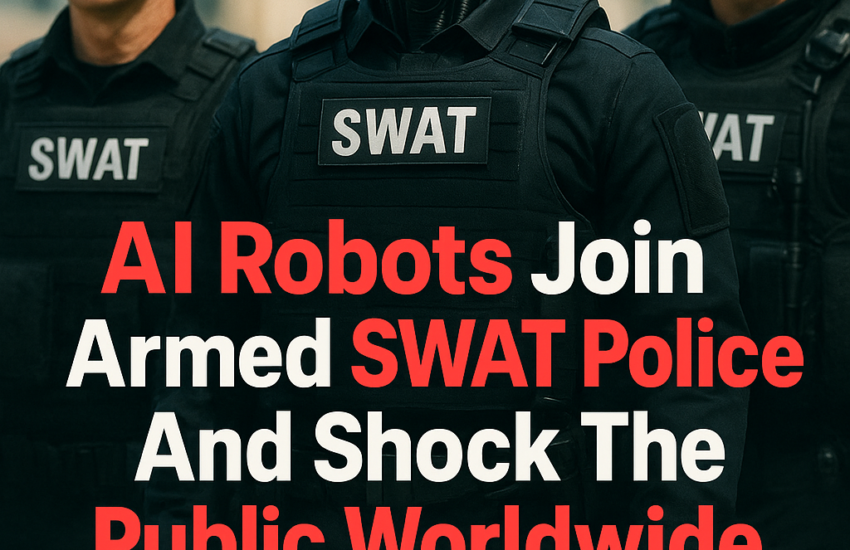
In Shenzhen, humanoid robots are boldly displaying their capabilities alongside SWAT officers. Their presence, both physical and commanding, is changing the dynamics of urban patrol. These mechanical sentinels add an extra layer of security, making it difficult for potential wrongdoers to act unnoticed.
Guangzhou has taken a different approach by incorporating humanoid robots into a smart patrol system. This setup utilizes drones and AI to create a multi-faceted security network. Here, humanoid robots interact with the public, assisting them while delivering essential public messages, such as anti-fraud warnings. It’s a smart blend of technology that marries the surveillance capabilities of drones with the personable and responsive aspects of humanoid robots.
In Hangzhou, traffic policing has embraced the assistance of robots. These new aides serve to relieve human officers from more menial or repetitive tasks, allowing them to focus on more critical aspects of traffic management and law enforcement.
These innovations reflect an essential truth: as the cost of humanoid technology declines, the landscape of public safety is rapidly evolving. Companies like Unitree are playing a pivotal role by making humanoids more affordable, thereby enabling widespread adoption.
**The Global Trend Toward Humanoid Integration**
China’s move isn’t isolated. Globally, there’s a trend of integrating humanoids into various aspects of daily life, underpinned by two central forces: advanced AI and technology cost reduction. The world is witnessing an era where practical applications of AI-driven humanoids in real-world settings are within reach. But as with every technological advancement, challenges accompany opportunities.
**Facing the Challenges**
– **Emotional Intelligence:** Robots, while advanced, still lag in understanding and responding to human emotions authentically. Unlike human officers, they follow programming which makes interaction seem mechanical and less empathetic to distressed citizens.
– **Accountability:** In public settings, accountability for actions is crucial. It raises the question of responsibility when a robot-based intervention goes awry.
– **Cybersecurity:** As humanoids integrate into public systems, they become potential targets for cyber attacks. Ensuring these machines remain secure against hacking or malicious programming is essential to protect both their function and the people they serve.
As these challenges underscore the necessity for careful integration strategies, cities must walk a fine line between leveraging technological advancements and maintaining essential human elements in public safety.
**A Learning Moment**
From a broader perspective, this integration of humanoid robots into public safety provides critical insights. It’s a testament to human ingenuity, showcasing how far we’ve come with AI and robotics. The key takeaway for other nations considering similar technology is to balance technological deployment with ethical considerations, ensuring that tech serves humans, not the other way around.
Additionally, this shift encourages innovation and discussion about the potential for robotics in other fields. Education, healthcare, and manufacturing could all see similar transformations, pointing towards a future where humanoid robots become entrenched in the fabric of everyday life.
**Who Will Police Our Future?**
As we look forward to a future where robots might patrol our streets, the paramount question remains: Who should police our society, and how do we ensure that technology respects and enhances human lives? Are we prepared for a world where the line between human and robot services becomes increasingly blurred, altering our traditional perceptions of safety and interaction?
Considering these questions leads us to reflect on the broader societal implications of humanoid robots in public service. While the possibilities are enticing, they require thoughtful debate and deliberate policy-making to ensure technology remains a servant to society, facilitating progress while safeguarding the innate human touch that defines our communities.