Driving AI Safety Standards: Is Collaboration Enough to Ensure Security?
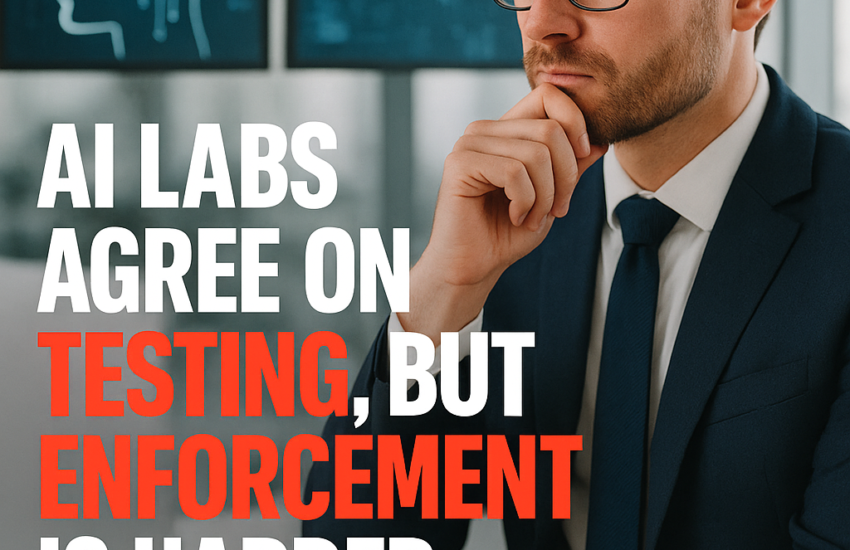
Artificial intelligence (AI) is transforming industries at an unprecedented rate, presenting both opportunities and challenges. In response, AI labs like Anthropic, Google, and OpenAI are collaborating to set up third-party testing standards for AI models. However, the real question remains: Can collaboration alone ensure the safety of AI systems, or is robust regulation essential to genuinely enhance AI safety?
Understanding the Push for AI Safety Standards
The rapid advancement of AI technologies has triggered concerns about their safety and accountability. As AI becomes integral to business operations, the need for dependable industry standards grows. The primary aim is to mitigate risks associated with intelligent automation and business process automation. This growing concern among industry experts and the general public has led to increased interest in forming AI testing standards.
Current Efforts by AI Labs
Top AI labs are already taking commendable steps by discussing and initiating the creation of standards for AI model testing. Entities such as Anthropic, Google, and OpenAI are at the forefront of these discussions. Their goal is to develop comprehensive guidelines that can be universally applied to gauge the safety and efficacy of AI systems.
Limitations of Voluntary Standards
Despite these positive strides, there’s a significant risk that such initiatives will remain symbolic unless they are enforced effectively. Voluntary standards, without the backing of enforceable regulations, may fall short in providing the necessary assurance that AI technologies are used safely and responsibly. Experts argue that mandatory consequences should follow lapses in AI safety protocols, ensuring compliance across all AI labs.
The Role of Government Regulation
Government involvement is crucial to bridging gaps in AI safety and regulation. Public-private collaboration can lead to more robust frameworks that not only enhance AI safety but also boost industry accountability. Policymakers, by working alongside AI companies, can help establish mandatory standards that include penalties for non-compliance. This collaboration can ultimately elevate the trust in AI systems and their implementations.
Global Collaboration: A Wider Perspective
The conversation around AI standards should not be siloed within just a few nations. As AI labs worldwide push the innovation envelope, there must be a global consensus on regulation and safety standards. This broader collaboration is essential because the use of AI spans across borders and industries, affecting global business performance and security concurrently.
The Potential for True Change
The potential for regulatory advancements in AI offers businesses a chance to embrace automation with confidence. By having reliable standards that are enforceable, companies can ensure their AI deployments are safe and effective. For business leaders, this means a secure transition into an era of increased automation without the looming risk of uncontrolled AI.
Conclusion: Shaping the Future of AI Safety
While collaboration among leading AI labs is a crucial first step toward developing safety standards, enforceable government regulations are indispensable. Only through public-private partnerships can truly robust and effective AI safety standards be achieved. As we navigate the future, stakeholders must unite to build frameworks that safeguard innovation while fostering trust and security in AI technologies.
Call to Action: Learn how regulatory advancements in AI can empower your business to adopt automation with confidence—schedule a consultation today.
Stay informed with #AISafety #AIStandards #Automation and transform your understanding of AI risk management.