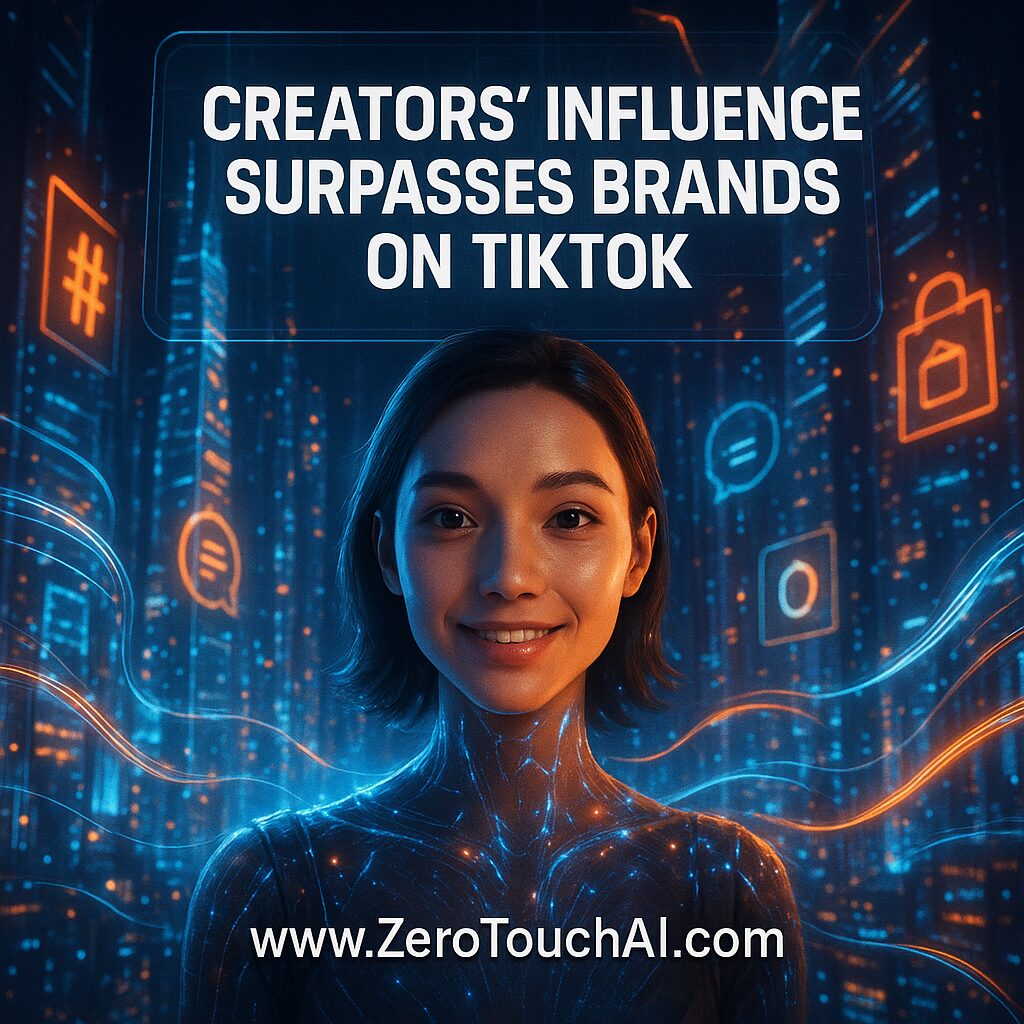
Why People Trust Creators More Than Brands in 2026
**Title: The Rise of Social Media Creators: Redefining Trust in Consumer Culture**
**The Growing Influence of Social Media Creators**
In today’s digital age, one undeniable trend has reshaped the way consumers make purchasing decisions: the persuasive power of social media creators. More than ever, people are turning to these online personalities for recommendations over traditional brand promotions, trusting their authority and authenticity in a world cluttered with marketing messages. The connection between followers and creators goes beyond mere entertainment; it has profoundly impacted consumer behavior, shifting trust away from established brands towards the personalized endorsement of someone they’ve never met but feel they know intimately.
This shift is significant. As consumers scroll through their feeds, they often come across recommendations from creators they’ve followed for years. The trust placed in these creators isn’t just about the products they’re endorsing but stems from a long-standing relationship built on perceived authenticity and relatability. It’s an authority play that stands in stark contrast to conventional advertising methods. As one industry observer noted, “People trust these unique creators that they’ve been following for so long and build that relationship with them.” This relationship forms the foundation for the creator’s influence over their audience.
**The Personal Connection: A Changing Relationship with Brands**
The trust in creator recommendations over direct brand messaging signifies not just a marketing trend but a broader shift in how consumers view relationships and endorsements. Traditionally, brand promotions have relied on direct messaging—ads declaring, “we’ve got the best pillow” or urging consumers to choose one product over another. However, in the realm of social media, a single compelling video or post from a creator can eclipse these efforts. The candid nature and perceived authenticity of creator content offer an engaging alternative to polished, corporate communications.
Consider this change from a personal perspective: you’re scrolling through TikTok and encounter a creator you admire, sharing their experience with a new product. Their content isn’t just an ad; it’s a story, a piece of their daily life, often unpolished and relatable. Compare this to encountering a traditional ad campaign, which feels more distant and less personal. This preference for personal connection over corporate messaging is echoed in countless user testimonials and behavior studies.
**Learning from the Shift: How Brands Can Adapt**
This seismic shift presents both a challenge and an opportunity for brands. As consumer loyalty declines towards traditional advertising, brands must adapt by engaging more authentically with their target audiences. Embracing the power of influencer marketing and understanding the nuances of creator-brand relationships are essential steps forward.
Brands can learn from this shift by:
– **Leveraging authentic partnerships:** Collaborate with creators whose values and content align with the brand’s ethos, ensuring a natural fit that resonates with audiences.
– **Transparency**: Address potential sponsorship ambiguity by clearly indicating partnerships. Transparency builds trust and ensures audiences don’t feel misled.
– **Authenticity over perfection**: Encourage creators to share personal experiences with the product rather than overly polished promotional material. Authenticity often trumps perfection in the eyes of consumers.
– **Tailored messaging**: Work with creators to develop tailored content that speaks directly to their audience’s preferences and needs, rather than a one-size-fits-all approach.
The lesson here is clear: it’s not only about reaching more people but about creating genuine connections that foster loyalty and trust. By understanding and adapting to this new landscape, brands can create more meaningful interactions and, consequently, enhance their reputation and influence.
**Engagement Through Personal Connection**
The dynamic between creators and consumers is marked by an emotional undertone that brands often struggle to replicate. As people gravitate towards creators’ content for recommendations, they feel part of a community—engaged, heard, and understood. This emotional connection drives not only purchasing decisions but also brand advocacy and loyalty.
The question for brands becomes not “how do we sell” but “how do we connect.” How can you leverage this knowledge to forge lasting connections with your audience? In an age where consumers prioritize authenticity, feeling connected to a community or a trusted voice can be the deciding factor in a purchasing decision. By aligning with trusted creators and embracing transparency, brands can tap into this community spirit and foster deeper consumer relationships.
**The Future of Consumer Trust**
As we move forward, these relationships between creators and consumers will continue to transform how trust is built in the digital landscape. The question isn’t if creators will influence consumer trust but rather how brands can effectively integrate this influence into their strategies. By understanding the power dynamics between creators and consumers, brands can align themselves with the right voices and meet their audiences in the spaces they trust most.
In this ever-evolving digital era, have you considered how you might adapt your marketing strategies to embrace the changing tides of consumer trust? What role will authenticity and engagement play in how you connect with your audience? As the digital landscape continues to grow, these are the questions that will shape the new era of consumer-brand relationships.