Rising energy prices put AI and data centers in the crosshairs
# Rising Demand and the Looming Threat of Electricity Costs
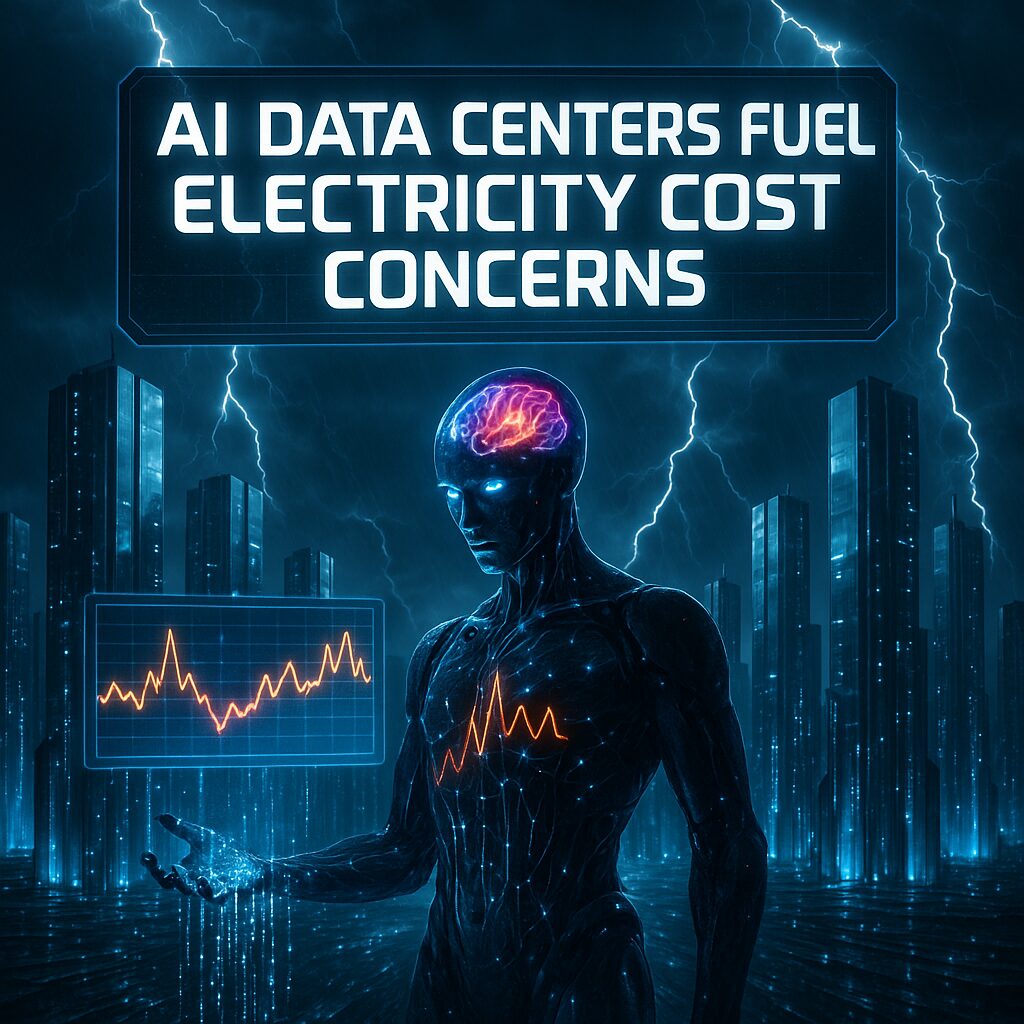
In today’s digital age, the surge in data center development is redefining how we perceive and consume energy. Beneath the promise of advanced technology lies a potential threat—rising electricity costs—sparked by the increasing demands of data centers. As the power-hungry AI-driven boom reshapes our technological landscape, consumers are left questioning: Will the tech evolution drive up their utility bills?
## Inside the Energy-Hungry Beast: Data Centers
The rapid growth of data centers is a double-edged sword. While these facilities fuel innovation, they also guzzle a significant share of energy. Sunrun’s report shows that 80% of consumers worry about the impact of data centers on their utility bills. This concern is not without merit.
According to the U.S. Energy Information Administration (EIA), electricity demand had been relatively stable over the last decade, but recent trends have shifted dramatically. In the past five years, commercial and industrial users increased their electricity consumption by 2.6% and 2.1% respectively, while residential use grew by just 0.7% annually. Today, data centers account for approximately 4% of U.S. electricity use, more than double their share from just five years ago. By 2028, these centers could consume between 6.7% and 12% of the nation’s electricity.
## The Complex Equation of Energy Generation
The energy supply landscape is equally complex. A surge in solar, wind, and battery storage capacity has met increasing demands. Big tech companies are investing heavily in solar power for its affordability and modularity. A solar project can begin delivering energy before completion, often taking only 18 months to become operational.
However, the shift toward renewable energy faces potential challenges. There are predictions that political shifts could hamper renewable growth post-2026. “The trend likely would have extended beyond 2026, but experts predict a Republican repeal of key parts of the Inflation Reduction Act will hamper the renewables’ growth.”
Natural gas, another preferred source for data centers, is also fraught with challenges. While production has increased, much of the new supply is exported, rather than serving domestic needs. Electricity generators have increased consumption by 20% between 2019 and 2024, but exports have soared by 140%.
The timeline for building new natural gas power plants doesn’t offer relief, either. With a construction time of around four years and turbine backlogs extending to seven, the immediate future looks uncertain.
## Who Will Bear the Brunt?
Data centers, while not solely to blame for rising electricity demands, are a visible culprit. Industrial users contribute significantly to increasing consumption, but AI and data center headlines dominate discourse. As pressure mounts, AI is poised to bear the brunt of consumer angst. According to a Pew survey, more people are wary of AI than enthusiastic about it—especially as companies use AI to cut jobs rather than enhance productivity.
## A Learning Moment: Navigating Our Energy Future
Understanding the dynamics at play is vital for navigating our future energy landscape. Here are some key takeaways:
– **Consumer Awareness:** With 80% of consumers worried about data centers influencing their energy bills, public awareness is both a challenge and an opportunity. Educating consumers about renewable investments and energy diversification can foster a balanced perspective.
– **Renewable Investments:** Continued investment and policy support in renewables can mitigate pressures from increased data center demands. Acknowledging the political landscape and urging bipartisan support for renewable incentives is crucial.
– **Energy Efficiency:** Encouraging efficiency in data centers and technological innovations that minimize energy use can play a pivotal role in averting a crisis.
– **AI Integration:** As AI continues to advance, using it to optimize energy management could redefine its role from a potential adversary to an ally in addressing electricity consumption.
## The Emotional Closer: Where Do We Go From Here?
As the stakes rise, reflecting on how we, as a society, will respond to these challenges is imperative. Considering the trajectory of our current energy consumption—fanned by innovation’s relentless advance—one must ask: How can we harness technology to not only meet our needs but do so sustainably and equitably?
The dialogue must progress beyond consumer trepidation, acknowledging the transformative potential of AI and data centers while ensuring our infrastructure adapts gracefully to change. By addressing these questions and fostering cooperative efforts across sectors, we stand a better chance to illuminate a path forward that balances progress with responsibility.
As you consider the future of technology and energy, ponder not just what will change, but how these innovations can serve the greater good. The answers we seek are not just in technology—but in the conscious choices we make about their use.