Google vs OpenAI: Two Very Different AI Business Models
**The Diverging Business Models: OpenAI vs. Google**
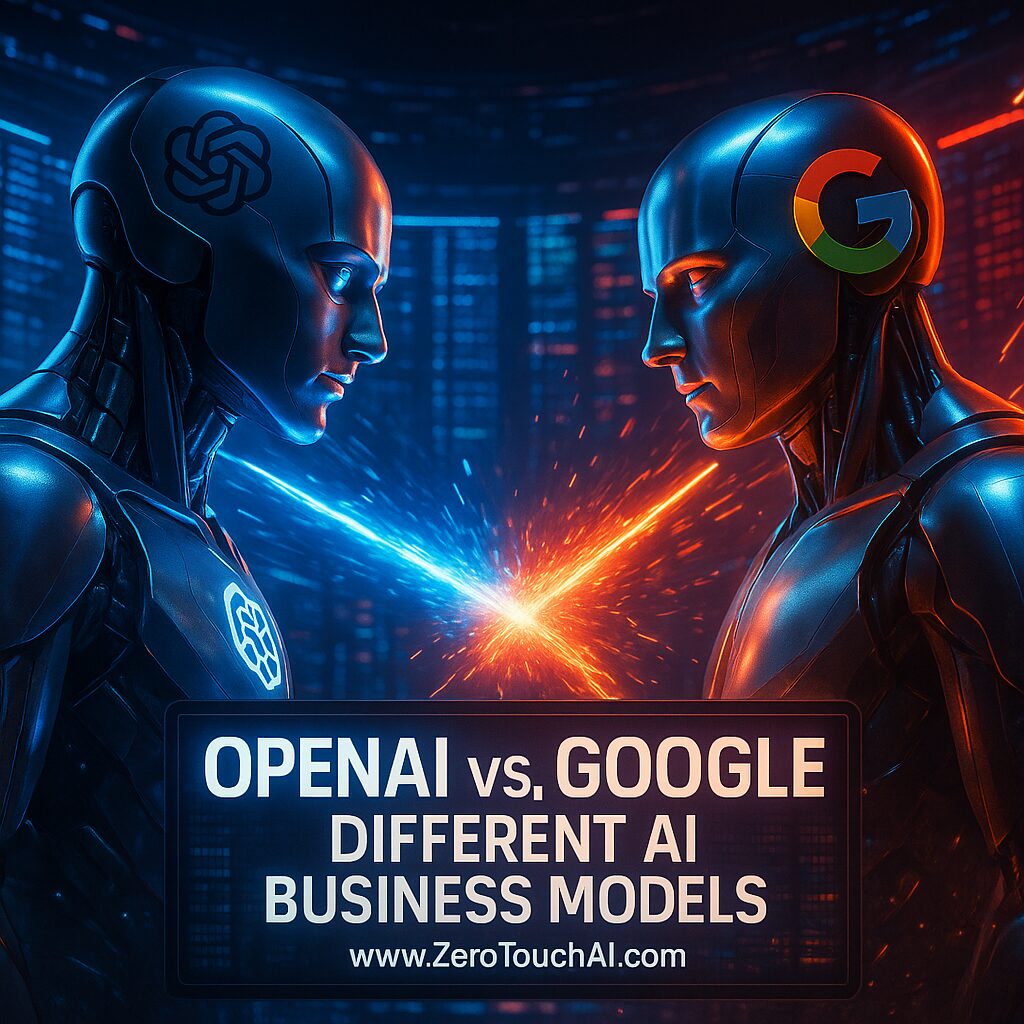
In the landscape of artificial intelligence and tech giants, two titans stand out: OpenAI and Google. However, behind their apparent rivalry lies a fundamental divergence in their business models. While OpenAI focuses on monetizing ChatGPT directly, Google’s Gemini serves as a strategic enabler for its expansive ecosystem. Why does this matter? Because understanding the business strategies of these tech giants provides insight into how AI technologies shape our digital experience.
**OpenAI: Monetizing Through ChatGPT**
OpenAI operates with a straightforward revenue model. At its core, OpenAI’s business revolves around ChatGPT, a conversational AI that has captivated both the general public and enterprises. ChatGPT operates on a subscription model for individual users, charging $20 per month. Beyond this, OpenAI extends its revenue stream by licensing API access to businesses, charging them hundreds to thousands of dollars monthly based on usage.
Why such a direct approach? For OpenAI, ChatGPT isn’t just a tool; it’s the business itself. By focusing on monetizing ChatGPT, OpenAI ensures that its primary asset is not only operational but also profitable. This approach highlights a key aspect of OpenAI’s strategy: a dedication to refining and expanding ChatGPT’s capabilities to maintain its position as a market leader in conversational AI.
This commitment to product monetization presents several key benefits and challenges:
– **Direct Revenue Generation:** OpenAI’s revenue model is clear-cut. Every dollar earned ties directly to the product’s usage, ensuring that improvements in ChatGPT’s capabilities directly influence revenue growth.
– **Innovation Incentive:** The need to continually enhance ChatGPT fosters innovation. By directly linking income to product performance, OpenAI is incentivized to constantly improve, providing better value to its users.
– **Market Competitiveness:** By monetizing ChatGPT, OpenAI dives deep into understanding user needs and market demands, adapting swiftly to changes and maintaining competitive edges.
Yet, such a model requires constant innovation and engagement with technical, ethical, and market challenges. OpenAI must balance the drive for profit with the necessity to maintain ethical standards and quality user experiences.
**Google: Gemini as a Strategic Asset**
In stark contrast, Google’s approach to AI through Gemini is not about direct profitability. With annual profits surpassing $116 billion, Google doesn’t rely on Gemini to boost its bottom line directly. Instead, Gemini plays a crucial role as a strategic asset, enhancing the entire Google ecosystem—Google Workspace, Google Cloud, Google Ads, YouTube, and beyond.
Google leverages AI to enhance user experience across its platforms, indirectly boosting its profitability. Gemini, alongside other AI integrations, functions as a retention tool, encouraging users to remain entrenched in Google’s extensive network of services. The idea is simple: the more users engage with Google’s ecosystem, the more Google can monetize through various channels.
Some of the strategic benefits of Google’s model include:
– **Ecosystem Synergy:** AI enhancements drive user retention across Google’s suite of products. Every Google service is an opportunity to gather data, target advertisements, or upsell users into premium offerings.
– **Long-term Profitability:** By weaving AI into its existing services, Google lays the groundwork for sustained growth. AI capabilities like those from Gemini add value indirectly by improving product utility and engagement.
– **Comprehensive Market Presence:** Unlike OpenAI, which focuses narrowly on monetizing its AI product, Google’s strategy encompasses a broader market presence, offering a variety of touchpoints for user interaction and data collection.
This strategic approach enables Google to remain a dominant player, maximizing profitability without placing the burden directly on its AI products, like Gemini.
**Learning from Giants: Strategic Business Insights**
What can companies and individuals learn from the varying strategies of OpenAI and Google? Each presents a valuable perspective on leveraging technology for growth.
For startups and smaller enterprises, OpenAI’s model showcases the importance of focusing on core competencies. By channeling resources towards a flagship product, startups can build niche expertise and create a strong market presence. On the other hand, Google’s model exemplifies the power of building an ecosystem where each component complements and enhances the others, fostering a network effect that brings exponential benefits.
These divergent strategies also indicate that the choice of business model is not merely about the product but about understanding long-term goals. Companies must evaluate whether their aim is direct profitability or whether they can harness a broader strategic landscape for growth.
**The Emotional Closer: What Could This Mean for the Future?**
As technology continues to evolve, the strategies of giants like OpenAI and Google raise compelling questions about the future of AI and digital ecosystems. How will the balance between direct and indirect revenue models shape the technological landscape? What role will ethics and innovation play in the continuous push toward AI-driven solutions? And critically, how can we, as users or entrepreneurs, position ourselves to harness these developments to our advantage?
Each question invites reflection, encouraging a deeper engagement with the strategies and impacts of these technology leaders. Understanding their models not only informs business decisions but also enhances our comprehension of the technological world we navigate daily. As the AI landscape continues to evolve, staying informed and engaged will be more important than ever.