**How AI is Reshaping Workforce Dynamics: An In-depth Look**
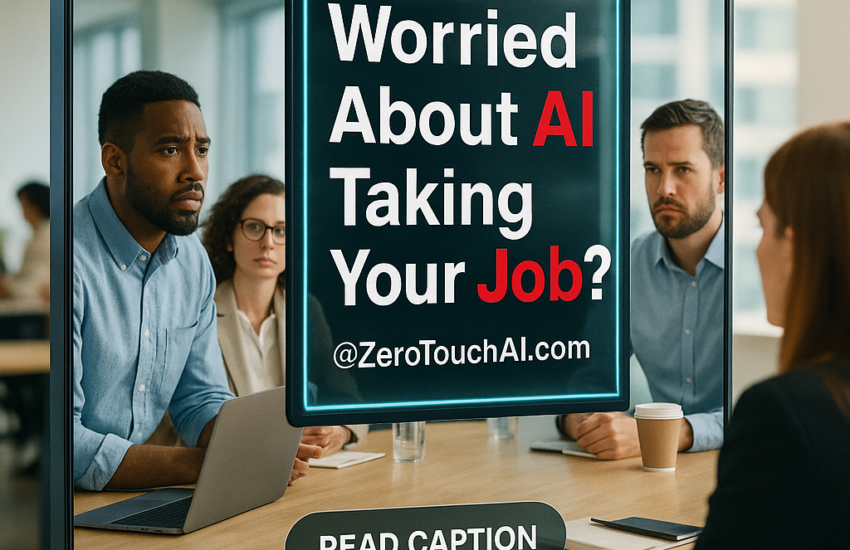
In the age of technological advancement, few innovations have sparked as much debate and analysis as artificial intelligence (AI). While there is considerable excitement about the potential of AI to transform sectors, streamline processes, and enhance productivity, there are also growing concerns about its implications for the workforce. The conversation around AI often gravitates toward its capacity to reduce head count; however, the reality is more nuanced. As evidenced by a recent real-world interaction I had, the role of AI is shifting workplace dynamics rather than eliminating jobs, creating new opportunities for growth and productivity.
**An Eye-Opening Conversation in the UK**
While visiting the UK last week, a conversation offered unexpected insights into the real-world impact of AI on business operations. During a discussion about the pressure companies face to cut head count while incorporating AI into their marketing strategies, a compelling point was raised: “AI often produces mediocre work, so results might not be as expected.” It was an observation that seemed to strike a chord with many.
I further challenged the idea by suggesting a question for their CFO—if AI is indeed so revolutionary in automating tasks, why isn’t it replacing the finance department? To this, a laugh erupted, as it became apparent that the accounting team, contrary to expectations, was actually expanding.
**AI in Action: What’s Really Happening?**
The idea that AI leads to immediate and significant job losses misrepresents its current function in most workplaces. Here are a few realities that many organizations are experiencing:
– **More Channels, Faster Work**: AI is enhancing the speed of operations. It’s not necessarily removing the need for human workers, but it is allowing existing teams to do more with the time and resources they have.
– **Skill Augmentation**: Instead of replacing jobs, AI is changing them. Workers are now required to manage AI tools, interpret AI-produced data, and make informed decisions based on AI insights. This shift necessitates new skills and training but also offers employees the chance to move into more strategic roles.
– **Increased Collaboration**: With the ability to handle repetitive and mundane tasks, AI frees up human workers to focus on activities that require creativity, emotional intelligence, and strategic thinking. This shift promotes better collaboration across departments, as teams are no longer bogged down by administrative burdens.
**The Learning Moment: Embracing AI for Growth**
The above observations highlight a critical learning moment for businesses and professionals alike. AI is not a panacea that will single-handedly revolutionize all sectors by replacing entire departments overnight. Instead, it is a tool—a powerful one—that, when harnessed correctly, can lead to substantial productivity gains.
– **Invest in Continuous Learning**: As AI becomes more integrated into daily operations, the need for continuous learning and skill development becomes paramount. Companies will benefit from investing in training programs that equip employees with the skills to leverage AI effectively.
– **Focus on Strategic Integration**: The successful implementation of AI requires more than just technology. It demands a strategic approach that considers the specific needs and goals of the business. A thoughtful integration strategy can maximize AI’s benefits while minimizing disruptions.
– **Cultivate a Culture of Innovation**: As AI changes the fabric of workplaces, fostering a culture that encourages innovation and adaptability will be key. Employees should feel empowered to explore new ways of working and contribute to their organization’s evolving strategies.
**An Emotional Closer: What Does the Future Hold?**
As we delve deeper into the age of AI, the pertinent question to ask becomes: how can businesses and individuals prepare for a future that increasingly intersects with artificial intelligence? Rather than fearing displacement, this era presents an opportunity to redefine roles and embrace the potential for growth and innovation.
What strategies can leaders implement to ensure that AI becomes a tool for empowerment rather than a catalyst for job loss? How can teams adapt to a rapidly changing technological landscape while maintaining human-centric values?
The answers to these questions lie not in AI itself, but in our responses to its challenges and opportunities. By fostering an environment of learning and adaptability, businesses can harness AI’s full potential, paving the way for a more productive and creatively fulfilled workforce.