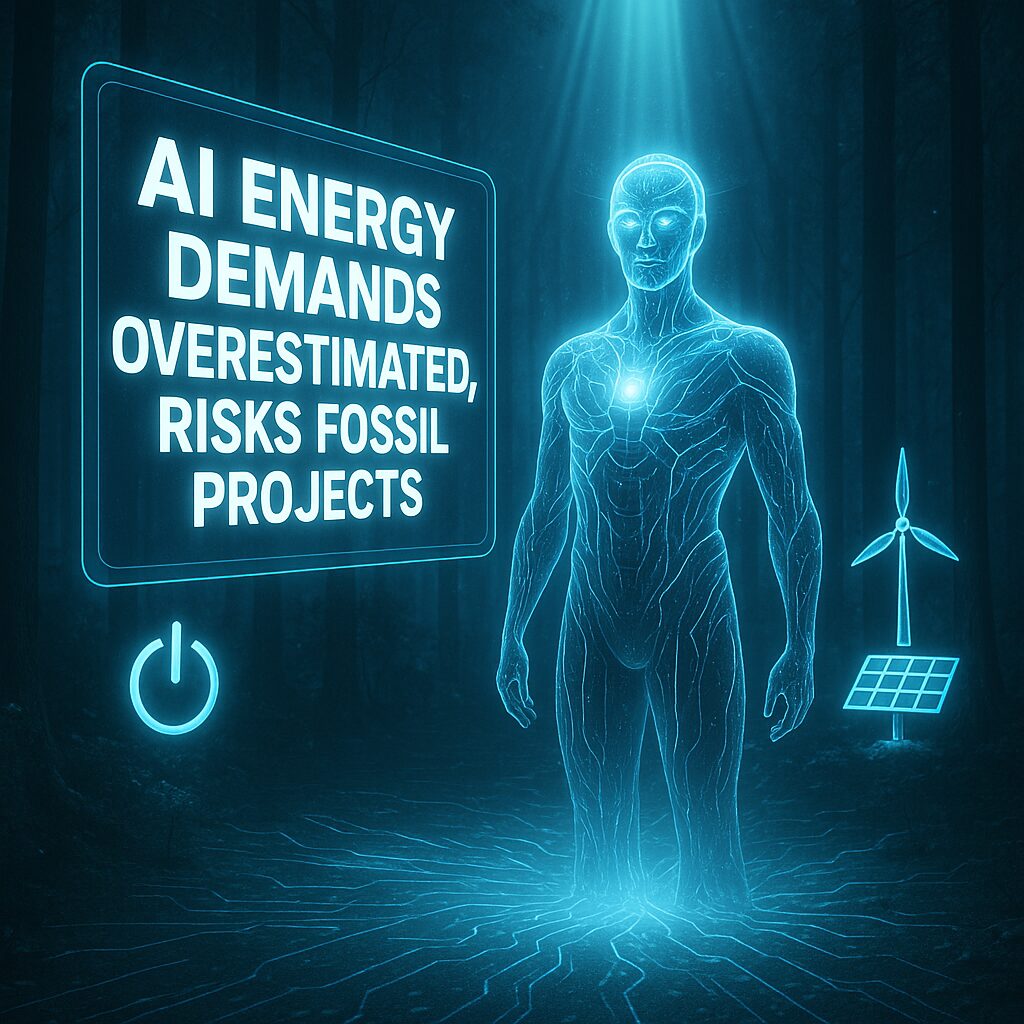
The AI-energy apocalypse might be a little overblown
# Forecasting the Future: The Looming Energy Challenges of the AI Boom
In the landscape of technology and energy, where innovation meets infrastructure, lies a crucial question: Are we on the brink of an energy catastrophe driven by miscalculations in AI energy demands? If the current trends are to be believed, overestimations in AI-driven energy requirements could not only lead to billions wasted on unnecessary fossil fuel infrastructure but also threaten to derail the steady progression towards renewable energy in the United States.
## The Power Surge of AI
The rapid advancement of AI technologies has catapulted tech companies into a race for computational dominance, demanding ever-increasing amounts of electricity to drive powerful AI models. The industry is booming, sparking not just an increase in demand but a reconstruction of how we perceive our energy systems.
“Even if AI turns out not to be as much of an energy hog as people are making it out to be, it could still spell out trouble for power grids across the US,” says Kelly Poole, lead author of a report by As You Sow and the Sierra Club. Indeed, the exciting opportunities presented by AI come with significant risks if we do not approach energy needs with caution and foresight.
### The Cost of Misjudgment
The ramifications of this amplified demand are profound. The incumbent power grid strains to balance supply and demand, where a miscalculation in one direction could spell soaring utility bills and power outages, while a miscalculation in the other could lead to stranded assets—unnecessary infrastructure that creates long-term financial burdens.
Consider the burgeoning data centers that voraciously consume energy with high-density computing needs. According to Dan Thompson of S&P Global, “A rack of computers in a traditional data center might use 6-8 kilowatts of power… AI, however, requires more powerful computer chips… the power required equals about 80 to 100 homes’ worth of power.” This staggering increase represents not just a fiscal challenge but an environmental imperative to make informed choices.
### The Bubble of Speculation
The current trajectory suggests a dangerous misalignment between perceived and actual energy needs. Speculators, eager to capitalize on the AI surge, rush to secure power grid connections often before having the necessary capital or clients to justify the demand. This speculative activity has been likened to an AI bubble—one infused with ambition yet lacking substantiation.
Jim Burke of Vistra Energy remarked, “Proposed projects trying to connect to the grid may be overstated anywhere from three to five times what might actually materialize.” Such overestimation is costly, not just financially but environmentally, threatening to lock the nation into high-emission fossil fuel projects at odds with sustainable goals.
## Navigating Towards a Balanced Energy Future
The path to a balanced, future-proofed energy system lies in accurate demand forecasting, coupled with a robust commitment to renewables. Diversifying our approach to energy doesn’t just mitigate risks—it aligns with long-term sustainable ambitions.
### Forecasting Accuracy
Improving forecasting precision involves collaboration, transparency, and rigorous data analysis:
– **Transparency with Developers:** Utilities can demand developers disclose how many utilities they’ve approached and their project’s stage, minimizing duplicity.
– **Contractual Safeguards:** Implementing long-term service agreements, nonrefundable deposits, and cancellation fees incentivizes realistic planning.
### Embracing Renewables
Tech giants such as Amazon, Meta, and Google have already invested heavily in renewable energy. By extending these efforts, they stand to make a meaningful impact against fossil fuel dependency:
– **Corporate Renewable Purchase:** Long-term agreements to develop renewable sources ensure a stable supply chain for clean energy.
– **Efficiency Innovations:** Continued R&D in energy-efficient AI technology can reduce consumption and support grid stability.
## Reflecting on Our Collective Choices
As we stand at this energy intersection, weighed by technological drives and environmental imperatives, we must ask ourselves: How can we ensure that our pursuit of innovation does not compromise our commitment to a sustainable future?
The decisions made today echo into decades to come. By questioning assumptions, embracing transparency, and prioritizing renewables, we craft not just a resilient energy infrastructure but a sustainable legacy. This is our shared opportunity—but also our shared responsibility.


1 Comments
Aipilotreview
January 19, 2026Just wanted to drop a quick note to say how helpful this post was for my research. It is refreshing to read such a well written perspective that actually addresses the questions users have. I will definitely be coming back for more updates aipilotreview